For multi-property operators, consistency in comfort, durability, and supply reliability is essential. Standardizing bedding across locations not only protects brand reputation but also simplifies inventory management and housekeeping processes. In cotton vs microfiber comforter comparison for commercial use, decision-makers need to look beyond pricing and consider their long-term performance based on their usage and turnover.
The right choice can reduce replacement cycles, improve operational efficiency, and maintain a uniform sleep experience across every property. This guide compares cotton and microfiber comforters from a commercial buyer’s perspective to support a smarter, more strategic purchasing decision.
Key Takeaways
- Cotton comforters are ideal for properties seeking breathable, natural-feel bedding suitable for premium hospitality positioning.
- Microfiber comforters are more practical for high-turnover commercial operations due to durability, quick drying, and low maintenance.
- Procurement decisions should consider laundry infrastructure, occupancy rate, and replacement cycles rather than only upfront cost.
What Is a Cotton Comforter?
A cotton comforter is made from natural plant-based fibers woven into a soft and breathable filling material. Cotton is widely valued in commercial bedding because of its ability to promote airflow and help regulate body temperature, making it suitable for properties operating in warmer or mixed climates. The natural structure of cotton fibers allows moisture absorption, helping reduce heat retention during sleep.
In commercial settings, cotton comforters are commonly used in mid-scale to premium hospitality environments where guest comfort and natural fabric feel are prioritized. They are also preferred in properties aiming to position themselves as environmentally conscious or quality-focused brands. However, performance may vary depending on weave density, finishing treatment, and laundering conditions.
Ideal for: Properties prioritizing natural comfort, breathability, and a premium guest experience.
What Is a Microfiber Comforter?
A microfiber comforter is made from ultra-fine synthetic polyester fibers tightly woven to create a lightweight and smooth bedding surface. The fine weave structure enhances durability while keeping the comforter relatively thin and easy to handle during housekeeping operations.
Microfiber comforters are widely used in hospitality, student housing, and healthcare facilities because of their resistance to wrinkling, quick drying properties, and ability to maintain shape after repeated washing. Their lightweight nature also improves operational efficiency for housekeeping teams managing large room inventories. For high-turnover properties looking to balance cost control and durability, microfiber comforters are often considered a practical commercial bedding option.
Ideal for: High-turnover properties, budget-conscious operations, and environments requiring frequent laundering.
Microfiber vs Cotton Comforter – Comparison
Following are the parameters on which we have compared cotton comforter vs microfiber comforters specifically for commercial settings:
Comfort & Guest Experience
Cotton comforters are widely appreciated for their natural softness and breathable texture, offering a sleep experience that aligns with traditional hospitality quality standards. The natural fiber structure allows better air movement, which helps regulate body temperature and reduces heat buildup during sleep. This makes cotton comforters a suitable choice for properties operating in warm or humid regions where guest comfort depends on airflow and moisture absorption.
Microfiber comforters provide a consistently smooth and lightweight sleeping surface that feels soft to the touch while offering stronger heat retention. Their synthetic fiber construction delivers a uniform texture that does not significantly change after washing cycles, ensuring predictable guest comfort across rooms. These comforters are often preferred in air-conditioned environments where maintaining warmth without excessive bulk is important.
Durability in Commercial Use
Microfiber comforters generally offer better resistance to wear and tear in high-traffic commercial properties because polyester fibers maintain structural stability under frequent laundering and handling. The tight weave construction helps reduce surface pilling and fiber breakdown, allowing the comforter to retain its appearance for longer periods. This durability makes microfiber a practical choice for properties that rotate bedding frequently.
Cotton comforters may experience gradual softening and loss of loft when subjected to aggressive washing cycles common in institutional laundry operations. While high-quality cotton products can still perform well in commercial settings, they require more controlled washing practices to maintain fiber integrity. Properties focusing on long-term guest comfort may need to plan replacement schedules accordingly.
Performance in Commercial Laundry Cycles

Microfiber comforters are highly compatible with large-scale laundry systems because they dry faster and withstand regular washing without significant structural deformation. Faster drying times help reduce energy consumption and improve housekeeping turnaround efficiency, which is critical in high-occupancy hospitality operations. The synthetic fiber composition also lowers the risk of shrinkage when standard commercial laundering procedures are followed.
Cotton comforters typically require more careful washing temperature control to minimize shrinkage and fiber stress during cleaning cycles. Natural fibers retain more moisture, resulting in longer drying periods compared to synthetic alternatives. Additionally, microfiber comforters tend to exhibit superior wrinkle resistance, reducing the need for post-laundry pressing or finishing.
Cost Analysis (Initial vs Long-Term)
Cotton comforters usually require a higher initial procurement investment because natural fiber sourcing and processing increase manufacturing costs. However, they may provide value in premium hospitality properties where guest perception of bedding quality influences brand positioning. Procurement teams often evaluate cotton bedding as a comfort-focused investment rather than a cost-optimization choice.
Microfiber comforters are generally more budget-friendly for bulk purchasing programs and can contribute to operational savings through reduced drying time and lower maintenance requirements. Over the long term, the total cost of ownership depends more on property usage intensity, laundry infrastructure efficiency, and replacement planning rather than unit price alone.
Maintenance & Housekeeping Efficiency
Microfiber comforters are easier to manage in institutional housekeeping workflows because they are lightweight, stain-resistant, and compressible for storage purposes. Housekeeping staff can handle these comforters more efficiently during daily room preparation and linen inventory management. Their quick-drying characteristic further supports faster room turnover in busy commercial properties.
Cotton comforters, while offering a more natural sleeping experience, can retain moisture after washing and may feel comparatively heavier during handling. Storage may also require more space depending on fill density and fabric weave. Properties that prioritize operational speed and workforce efficiency may find microfiber bedding more practical for large-scale use.
Best Use Cases by Industry
Cotton and microfiber comforters serve different operational priorities across commercial sectors. Here, we have mentioned the best material for comforters based on different use-cases:
Cotton Comforter | Microfiber Comforter |
Best suited for luxury and boutique properties that prioritize breathable comfort and premium brand positioning. | Ideal for mid-scale and high-occupancy hotels focused on durability, cost efficiency, and consistent appearance. |
Suitable for facilities that prefer natural fibers but can manage controlled laundering processes. | Preferred for environments requiring frequent high-temperature washing, stain resistance, and structural durability. |
More appropriate for premium rental accommodations emphasizing natural comfort. | Commonly chosen for budget control, high turnover durability, and low-maintenance performance. |
Hotels & Resorts
In hotels and resorts, cotton comforters are often associated with premium or luxury positioning because of their natural softness, breathability, and high-quality textile perception. Upscale properties aiming to deliver a refined guest sleep experience may prefer cotton bedding to reinforce brand image, especially in boutique, heritage, or high-end hospitality segments. However, mid-scale and budget hotels frequently choose microfiber comforters to maintain operational efficiency while controlling procurement and maintenance costs.
Luxury properties sometimes prioritize guest experience over replacement frequency, whereas cost-conscious resorts may focus on durability and laundry performance. Microfiber comforters are particularly useful in properties that experience high room occupancy and require bedding that maintains appearance after frequent turnover.
Healthcare & Hospitals
In healthcare environments, hygiene standards and wash durability are critical factors when selecting comforters. Microfiber comforters are commonly preferred because they tolerate frequent high-temperature washing and show better resistance to staining from medical use conditions. Their quick-drying nature supports strict sanitation workflows required in clinical facilities.
Wash durability is especially important in hospitals where bedding must undergo repeated sterilization cycles. While cotton comforters can be used in some healthcare settings, microfiber options are often favored because they maintain structural integrity under rigorous laundering and reduce operational downtime in medical linen management systems.
Student Housing & Rental Properties
Student housing facilities and rental accommodation providers usually prioritize cost control and bedding durability due to high occupancy turnover and budget constraints. Microfiber comforters are widely adopted in these properties because they offer a practical balance between affordability, longevity, and low maintenance requirements.
High-turnover environments demand bedding that can withstand frequent use, washing, and handling without significant quality degradation. Microfiber comforters help property managers minimize replacement frequency while maintaining acceptable comfort standards for residents. This makes them a popular choice for institutional housing programs and long-term rental accommodations.
Commercial Cotton and Microfiber Comforters by Linen Mart
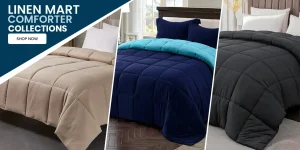
Linen Mart offers commercial-grade microfiber comforters crafted to meet the operational demands of hotels, motels, resorts, cruise lines, vacation rentals, Airbnb properties, and retirement homes. Our range is structured to support both budget-focused and premium properties, ensuring reliable performance under frequent laundering while maintaining consistent guest comfort standards.
Our Commercial Comforter Options Include:
- Economy Comforters: Practical, cost-effective solutions built for heavy use in high-traffic properties while maintaining warmth and softness.
- Premium Quilted Microfiber Comforters: Evenly distributed fill, enhanced insulation, and refined presentation suitable for upscale establishments.
- Microfiber Reversible Comforters: Dual-design flexibility in one product, lightweight construction, hypoallergenic material, and durability for high-turnover environments.
Conclusion:
Choosing between a cotton vs microfiber comforter depends on your property’s priorities. Cotton suits luxury environments that value natural breathability and a premium guest experience, while microfiber supports high-turnover operations with durability, faster drying, and cost efficiency. For commercial buyers, the right decision balances comfort, laundry performance, replacement cycles, and long-term operational value to ensure consistent standards across every property.